Smudged lines. Blotchy dots. Frustration mounting as your at-home nail art turns into a Rorschach test. You’ve got vision—but your tools betray you. The problem isn’t your skill. It’s the brush. Enter the nail pen brush: engineered for control, not compromise.
Why Regular Brushes Fail at Nail Art
Traditional nail polish brushes are wide, floppy, and drown in pigment. They’re built for coverage—not detail. Try drawing a crisp gold stripe or a micro-floral petal with one? Good luck.
And most “precision” brushes sold online? Hollow promises. Stiff bristles snag polish. Synthetic tips fray after two uses. The result? Blobs instead of brushstrokes.
Worse—many cheap nail pens leak or dry out mid-application. You waste product, time, and patience. The real bottleneck in DIY manicure mastery isn’t talent. It’s tool fidelity.
Mastering Detail Work with a Nail Pen Brush
Forget guesswork. Nail art precision starts with the right instrument—and the right technique. Here’s how pros (and smart beginners) actually get clean lines every time.
Choose the Right Tip Profile
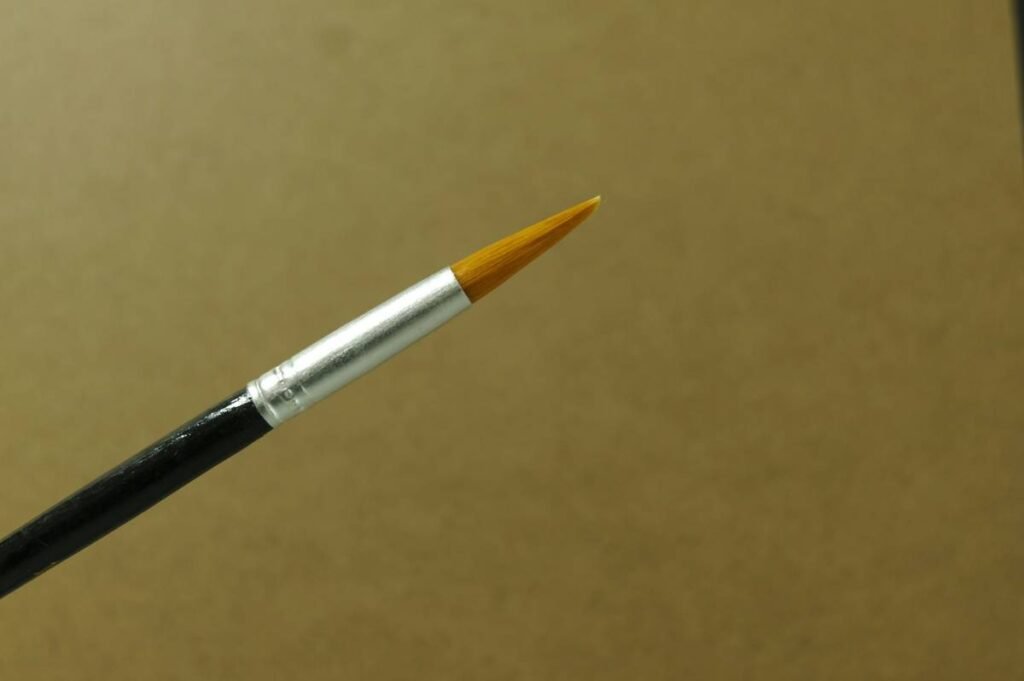
Fine point for micro-details (<0.5mm). Chisel edge for sharp lines. Angled tip for curves. Most users grab “fine” and call it a day—but tip geometry matters more than diameter alone.
Control Flow Like a Painter
Nail polish pens aren’t markers. Don’t shake them like highlighters. Prime the tip gently on a silicone pad. Too much pressure = flood. Too little = skips. Find the sweet spot where pigment flows smooth but steady.
Clean Between Colors—Every Time
Residue ruins contrast. Dip the tip in acetone for 3 seconds, then wipe on a lint-free cloth. Skip this? Your coral dot gets muddy with leftover navy. No one sees it—but it kills the vibe.
| Tool Type | Precision Level | Drying Time | Refillable? | Avg. Cost per Use |
|---|---|---|---|---|
| Standard Polish Brush | Low | Slow (60+ sec) | No | $0.85 |
| Disposable Nail Pen | Medium | Moderate (45 sec) | No | $1.20 |
| Refillable Nail Pen Brush | High | Fast (30 sec) | Yes | $0.30 |

That table tells the truth: refillable nail pen brushes win on every metric that impacts real-world results. Not just performance—cost efficiency too.

The Industry Secret: Polish Viscosity Trumps Brush Alone
Here’s what brands won’t tell you: even the sharpest nail pen brush fails if your polish is too thick—or too thin. Salon techs tweak formulas daily. At home? You can too.
Add one drop of nail polish thinner (not remover!) to stiff polish. Swirl gently. Test on a spare nail tip. Ideal consistency flows off the brush like warm honey—smooth, cohesive, no drag.
But don’t overdo it. Thin polish bleeds under stencils and smears during layering. The math is simple: perfect viscosity + precise nail pen brush = gallery-worthy nails.
Frequently Asked Questions
Can I refill any nail pen brush?
Only if designed for it. Look for screw-off reservoirs. Sealed pens = single-use. Check packaging before buying.
How often should I replace the brush tip?
Every 3–4 months with weekly use—if fibers splay or shed. Metal-tip pens last longer than plastic ones.
Does nail pen brush work with gel polish?
Not unless specified. Standard pens use regular lacquer. Gel requires UV curing—use dedicated gel liner pens instead.